Everyone’s mental health journey is unique, but the experience of navigating difficult questions about support and treatment is common. You know something isn’t right but don’t know where to begin. Often the journey begins with a conversation with a health care provider and having access to clear, reliable information can help make that conversation a little less overwhelming.
This World Mental Health Day, the World Health Organization’s theme, “Lived experiences heard: real voices, real change,” highlights the importance of listening to people with lived experience of mental health conditions and ensuring their voices help shape research, care, and resources.
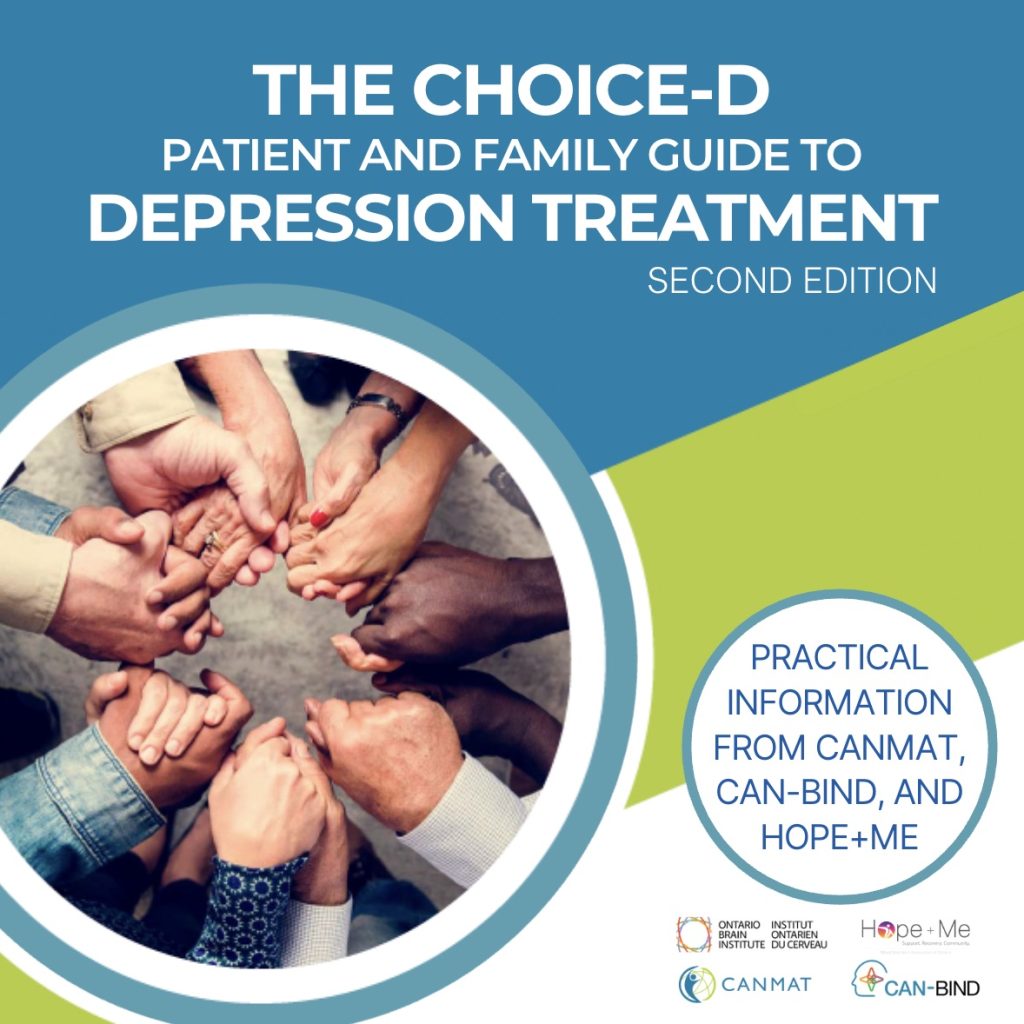
One example of this approach is the CHOICE-D Patient and Family Guide to Depression Treatment, a resource co- developed with people who have lived experience of depression to help others make informed decisions about their care.
Turning lived experience into practical support
The CHOICE-D guide was created to empower people to understand treatment options and have effective conversations with their health care providers, by leveraging the experience and knowledge of others living with depression.
Developed through a collaboration involving the Canadian Biomarker Integration Network in Depression (CAN-BIND), the Canadian Network for Mood and Anxiety Treatments (CANMAT) and Hope+Me (formerly the Mood Disorders Association of Ontario), the guide translates clinical depression treatment guidelines into accessible, plain-language information. It was primarily funded by the Ontario Brain Institute as part of our efforts to turn research and evidence into practical tools that empower people to take an active role in their brain health.
Most importantly, people with lived experience were involved in creating the guide from the beginning. They helped identify what information would be most useful, from understanding symptoms and treatment options to addressing misconceptions and preparing questions for health care providers. The result is a resource created with people affected by depression, for people affected by depression and their families.
Preparing for a conversation
Talking about depression can be difficult. You may not know how to describe what you’re experiencing, or you may feel unsure about what to ask. Preparing for an appointment with a health care provider can help you feel more comfortable and make the most of your time together.
Here are a few practical tips adapted from the CHOICE-D guide:
1. Make a note of what you’ve been experiencing.
Before your appointment, write down your symptoms, when they started, how often they occur, and how they affect your daily life. Note anything that seems to trigger symptoms or make them worse. Bringing a checklist can help you remember details that may be difficult to explain in the moment.
2. Gather information about your health.
Make a list of any prescriptions and over-the-counter medications, vitamins, and supplements you take. Include any existing medical conditions, recent diagnoses, and relevant personal or family history of depression or other mental health conditions.
3. Write down your questions.
It’s easy to forget what you wanted to ask during an appointment. Consider bringing a written list. Questions might include:
- How do I know if I have depression?
- What treatment options are available, and what are their potential benefits and side effects?
- How long might it take before I start to feel better?
- What will treatment cost, and are there support groups or other resources available?
4. Remember that your voice matters.
You are an important part of decisions about your care. Share your concerns, preferences, and questions with your health care provider. If a treatment isn’t working for you or you’re experiencing side effects, let them know. Finding the right approach can involve ongoing conversations and adjustments.
A resource to help you take the next step
Having access to clear information and feeling prepared for conversations with your health care provider can help you take a more active role in your care. And when lived experience helps shape the resources we use, support is meaningful and personal.
About CAN-BIND: The Canadian Biomarker Integration Network in Depression is national research and learning program working with people with lived experience, caregivers, researchers, health care providers and partners to advance depression research and help identify effective treatments. Established in 2011, CAN-BIND is sponsored primarily by the Ontario Brain Institute.